Phthalates: Hidden Chemicals in Fragrance, Cosmetics, Cleaning Products and Plastics
Explore how plastics and fragrances influence immune balance and how to cut exposure for better health.
Course Overview
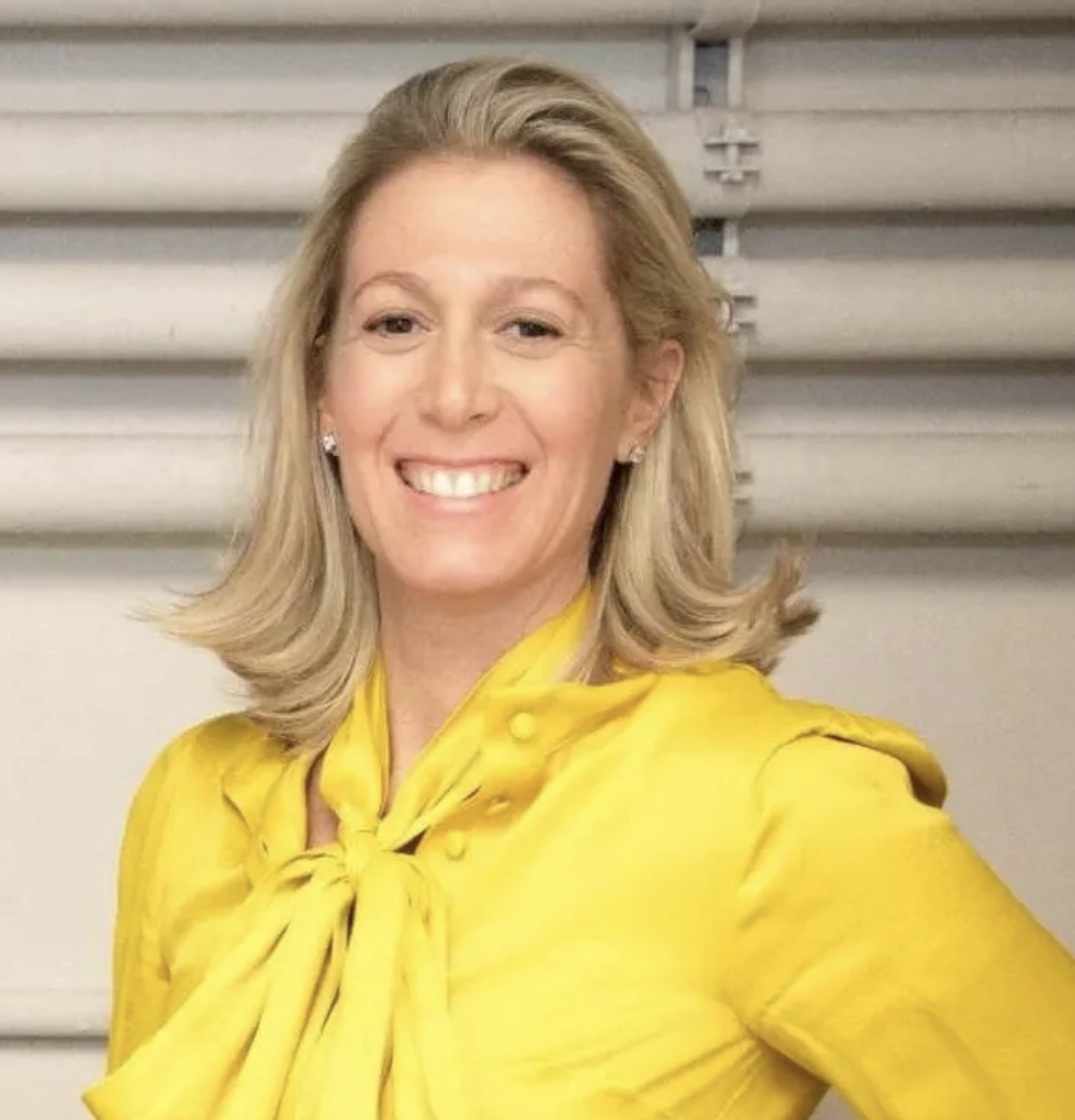
This course examines how phthalates and other plastic-associated chemicals influence immune balance, hormone regulation, and chronic disease risk. Drawing from the latest research and real-world examples, Dr. Aly Cohen explains how common exposures, from food packaging and medical devices to personal care products and household dust can disrupt endocrine and immune function, contributing to conditions such as thyroid disorders, reproductive challenges, and autoimmune disease.
Designed for both clinicians and health-conscious individuals, this session demystifies complex chemical pathways while offering clear, evidence-based strategies to lower exposure. Clinicians will learn how to incorporate environmental health into patient assessments and counseling, while participants will discover practical ways to make safer choices in daily life—from reading labels to selecting toxin-free materials.
By understanding how phthalates and bisphenols interact with the human body, you will gain the knowledge and confidence to make informed decisions, reduce toxic burden, and support better outcomes for yourself, your patients, and the planet.
Key Points
-
How Plastics Affect Hormones and Immunity
Discover how phthalates and bisphenols, chemicals used in plastics, packaging, and cosmetics, can disrupt hormone balance, immune function, and metabolic health. -
From Everyday Products to Chronic Illness
Understand how repeated exposure to soft plastics, fragrances, and packaging materials may influence fertility, thyroid health, and autoimmune disease risk. -
Practical Strategies to Reduce Toxic Load
Learn how to identify hidden sources of phthalates in daily life and implement simple, science-backed swaps that lower exposure and support long-term wellness.
Course Lessons Preview
Some words from our students ...
Detoxify Your Life!
Other Courses For You
Transform Your Life with Science-Based Integrative Medicine